INHA International is a global healthcare logistics brand providing worldwide air ambulance solutions that maximize patient safety.
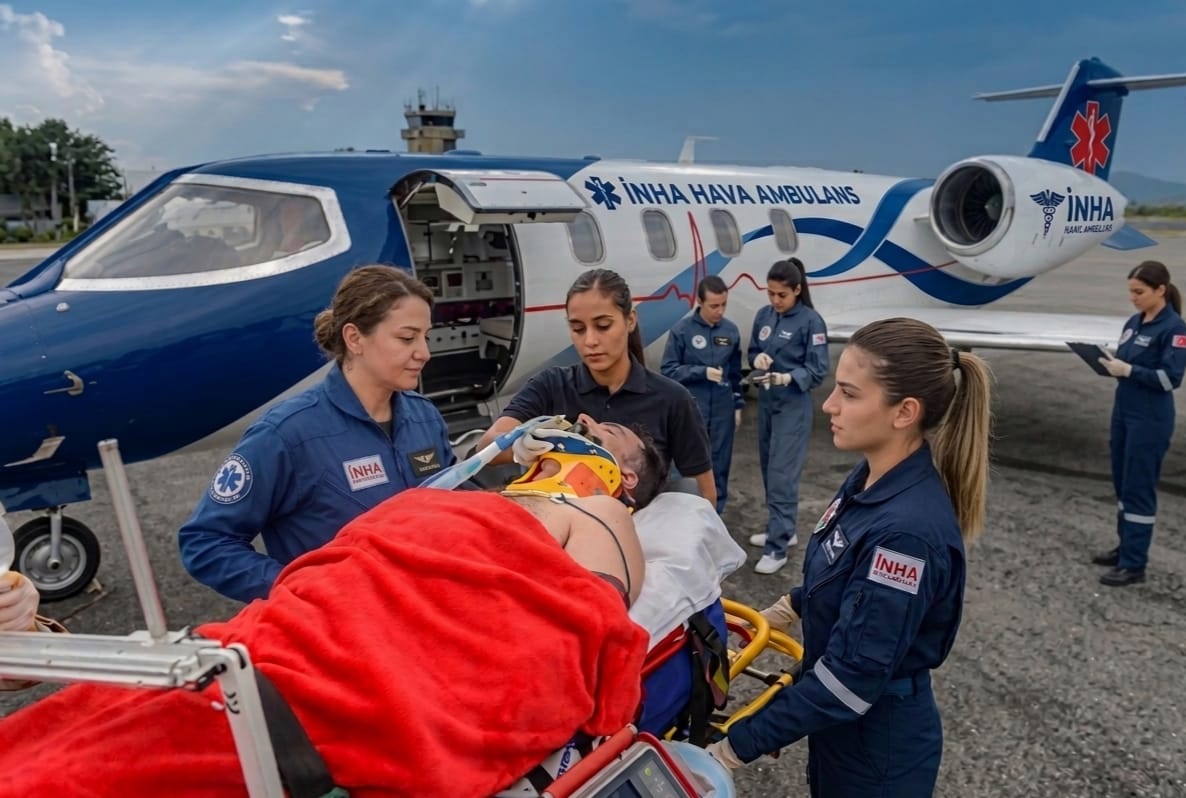
During our medical flight operations accompanied by experienced physicians and paramedics, we ensure that the patient remains stable even in the most critical situations.
All ambulance aircraft models we operate are equipped with specialized sensors to minimize cabin pressure fluctuations during transit.
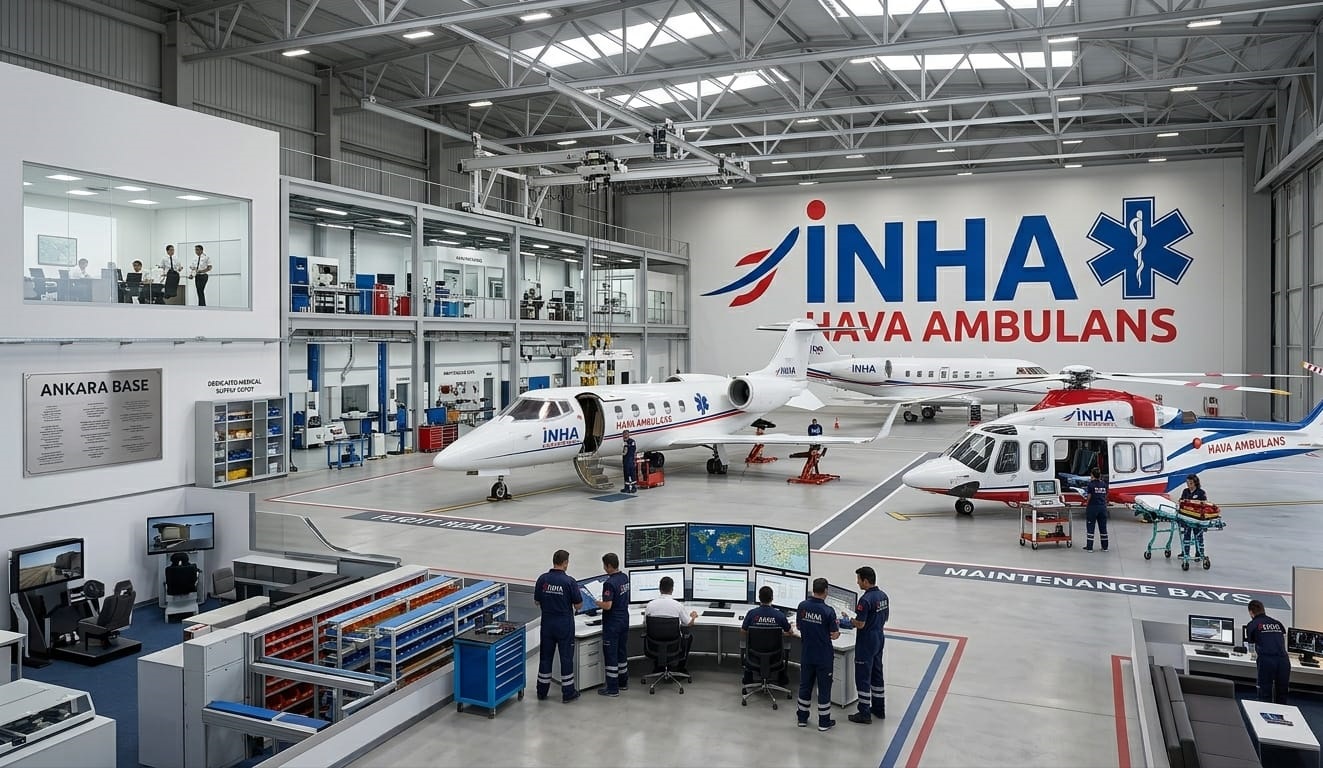
We provide world-class ambulance aircraft charter services with private jets equipped with full intensive care units.
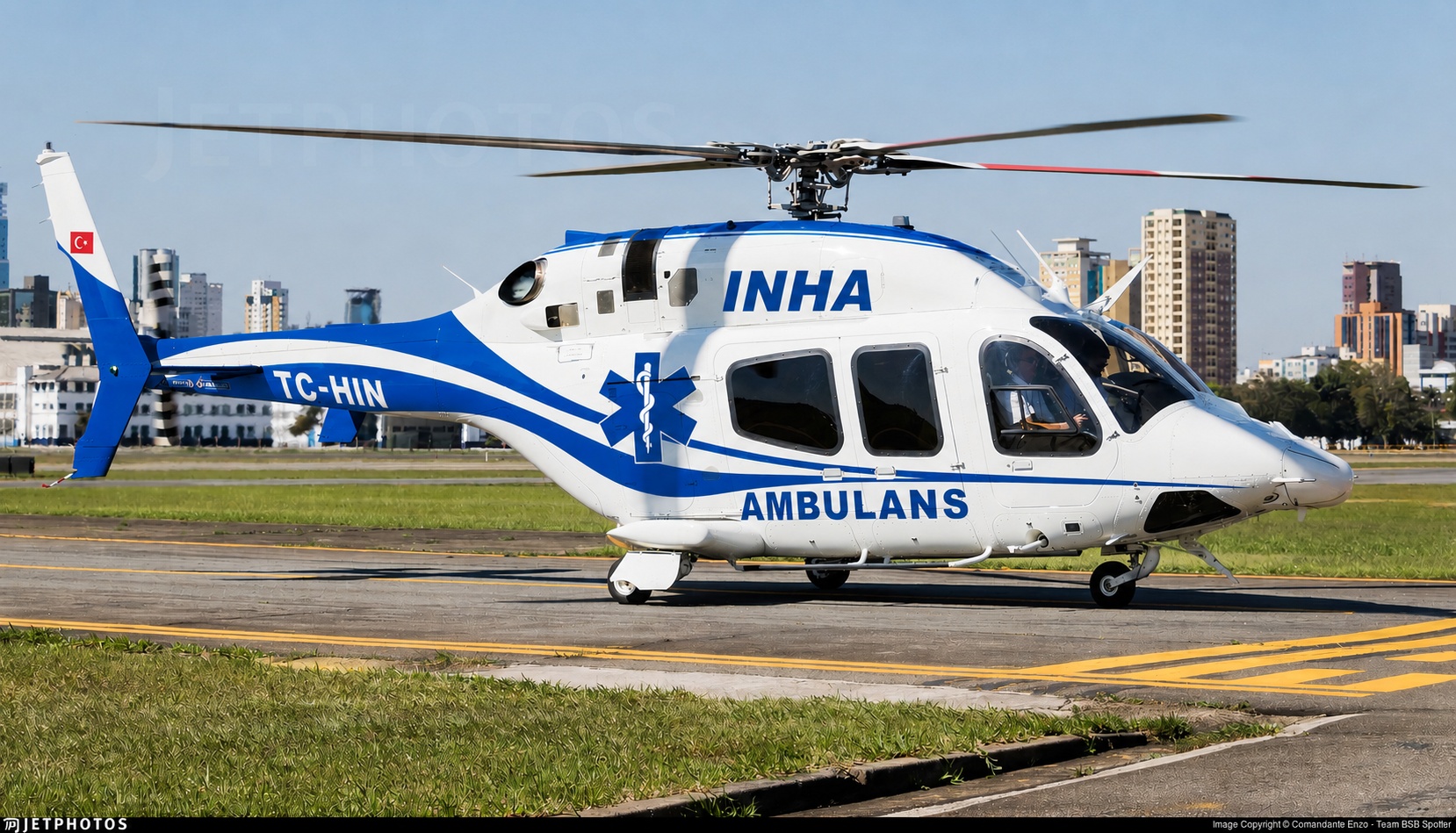
For time-sensitive short-distance transfers, our rapid-response helicopter ambulance fleet steps in.
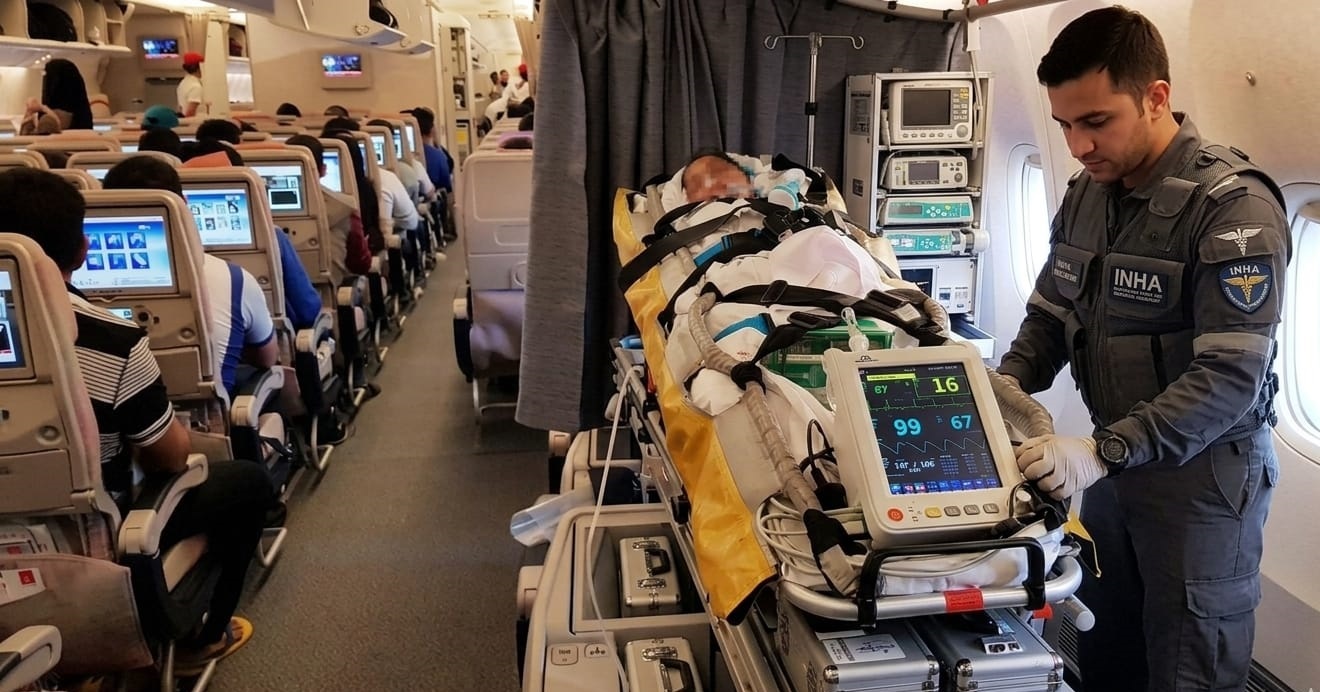
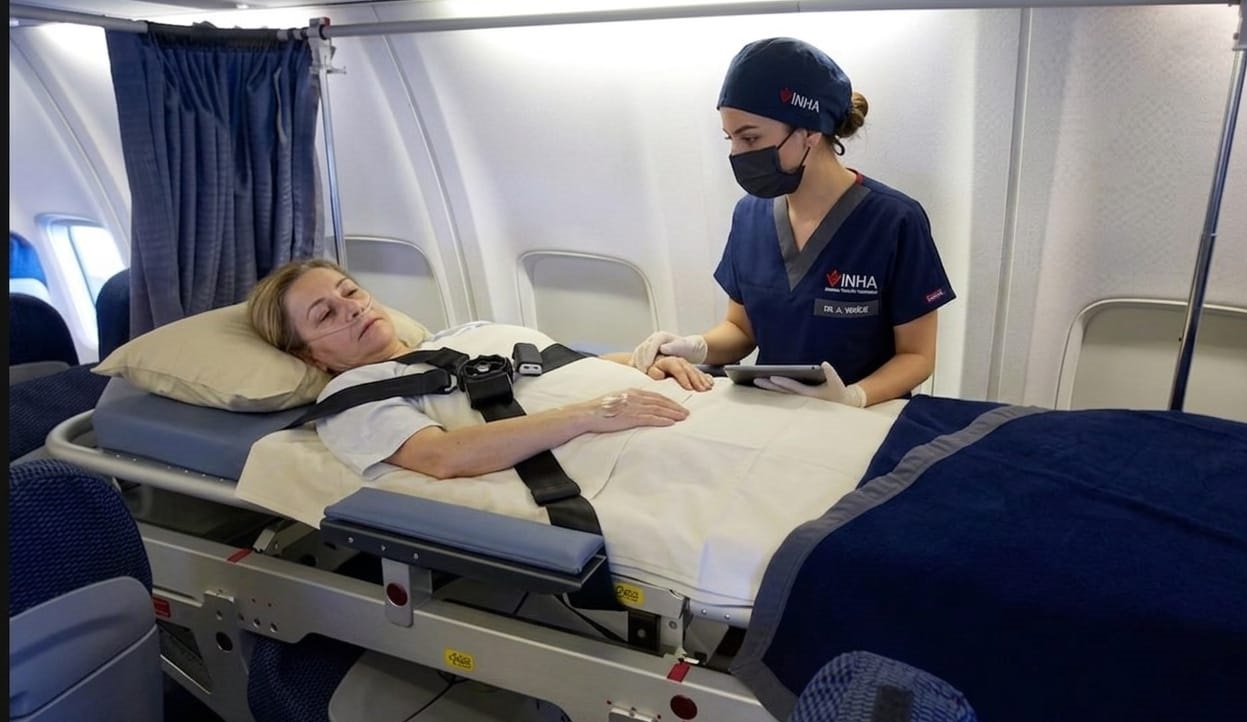
By modifying the rear section of scheduled commercial flights, we arrange cost-effective patient transport escorted by doctors.
We manage seamless international patient transport processes across borders from the patient's current location.
Our air ambulances are equipped with all types of medical devices and medications required in an intensive care unit. Therefore, patients requiring ICU care can safely be transported via air ambulances.
Air ambulances are equipped with cabin pressure stabilizers. The patient is not adversely affected by cabin pressure during travel. Additionally, if deemed necessary, our aircraft can perform low-altitude flights.
Yes, air ambulances can fly at night, which is a standard procedure in modern aviation. Commercial flights, cargo aircraft, and air ambulances can operate 24/7 thanks to Instrument Flight Rules (IFR) and advanced navigation systems. Pilots ensure safe night flights using landing lights, cockpit instruments, and tower guidance.
Air ambulance pricing is calculated based on the total flight duration, taking into account the patient's departure location, destination, and medical condition. On average, each flight hour is estimated between 3,500 and 4,000 Euros.
Whether your insurance covers air ambulance costs depends on your policy terms and if the transport is deemed medically necessary. Typically, comprehensive private health insurance or travel insurance covers transport when treatment is not available at the current location, but policy details govern coverage.
Yes, usually 1 relative—or a maximum of 2 relatives depending on the patient's condition and flight range—can travel aboard the aircraft.
Air ambulances are staffed by 1 specialist doctor and 1 paramedic/assistant medical staff member (nurse, anesthesia technician, etc.). Personnel are selected based on the patient's medical needs. Every team member operating on air ambulances is specialized and trained in flight physiology and advanced resuscitation.
Once flight approval is granted and required documents are complete, permits must be secured from civil aviation authorities. This process usually takes 1 to 2 hours. Therefore, the aircraft is ready for departure within 2 hours following flight confirmation.
Air ambulance flight fees are paid via wire transfer or EFT to the company account against an invoice issued in your name.
To perform the flight, we require a recent medical report (epicrisis) showing the patient's latest condition, a doctor's fit-to-fly clearance if available (or a signed consent form by the patient/next of kin), and passport/ID details of all passengers. Additionally, sharing full addresses of departure/receiving medical facilities and receiving physician contact details is essential to avoid delays.
Ambulance helicopters are used for rapid response and transport in life-threatening conditions where ground transport is difficult or time-critical (e.g., heart attacks, major trauma, strokes, organ transplants, burns, severe falls).
Helicopter ambulances have smaller cabin capacities compared to fixed-wing aircraft. For this reason, relatives are generally not allowed onboard the helicopter.
Yes, helicopter ambulances can fly at night, provided they have specific technological equipment and certified pilots. Helicopters require Night Vision Imaging Systems (NVIS) or Infrared (FLIR) equipment and night-rated pilots for night flights. Private helicopter ambulances usually operate between sunrise and sunset unless specifically outfitted for night operations.
Helicopters are primarily designed for shorter-range flights compared to airplanes. Therefore, international transfers are generally not preferred via helicopter due to speed and range limits. However, international transfers can be performed for neighboring countries within a 500 km radius.
Yes, patient passengers can travel on commercial flights subject to airline procedures and medical clearances. The overall condition of the patient, illness type, and flight duration determine eligibility.
Airlines do not provide onboard doctors for patient transfer services. However, medical assistance organizations like ours provide qualified medical escorts equipped with necessary mobile medical devices to accompany the patient.
With modern medical equipment, almost any patient without contagious diseases can be transported by commercial aircraft. Necessary ICU equipment and trained medical staff accompany the patient. However, flight suitability must be pre-confirmed with a recent medical report (under 10 days old). Contact our call center for detailed guidance.
Medical devices are prepared according to the patient's specific health condition. Typical medical escort equipment includes portable mechanical ventilators, defibrillators, infusion pumps, vital sign monitors, oxygen units, and necessary medical consumables.
Medical oxygen can be arranged on commercial flights if requested in advance and specified in the physician's medical report. As availability varies by airline, this service must be pre-coordinated with the respective carrier.
For stretcher transfers on commercial flights, the patient arrives at the airport via ground ambulance. The ambulance proceeds to the aircraft on the apron. Passport procedures are completed inside the ambulance by airport officers. The patient is then loaded into the aircraft using an "AMBULIFT" wheelchair/stretcher elevator vehicle.
Commercial flight transport is significantly more affordable than dedicated air ambulances. Stretcher installation typically requires booking 9 economy class seats to accommodate the medical setup. Prices are calculated based on 9 economy class tickets plus applicable taxes and escort fees.
The patient is picked up from their facility by a ground ambulance coordinated by our team, escorted through airport passport control directly to the aircraft, and lifted aboard using an ambulift.
Required documents include an up-to-date medical report (not older than 10 days), passport copies of the patient and accompanying travelers, and full address details of the destination receiving hospital or residence.
Our call center operates continuously 24/7 for all air ambulance requests globally and locally.
Address: Cahit Sitki Street No:2 Cankaya Ankara - TURKEY
Phone: +90 (553) 287 98 50